Thursday 10 April 2025
Outcomes of the International Youth Conference ‘Mongolia and the 110th Anniversary of the Kyakhta Treaty: Lessons of History and Challenges of Modernity’
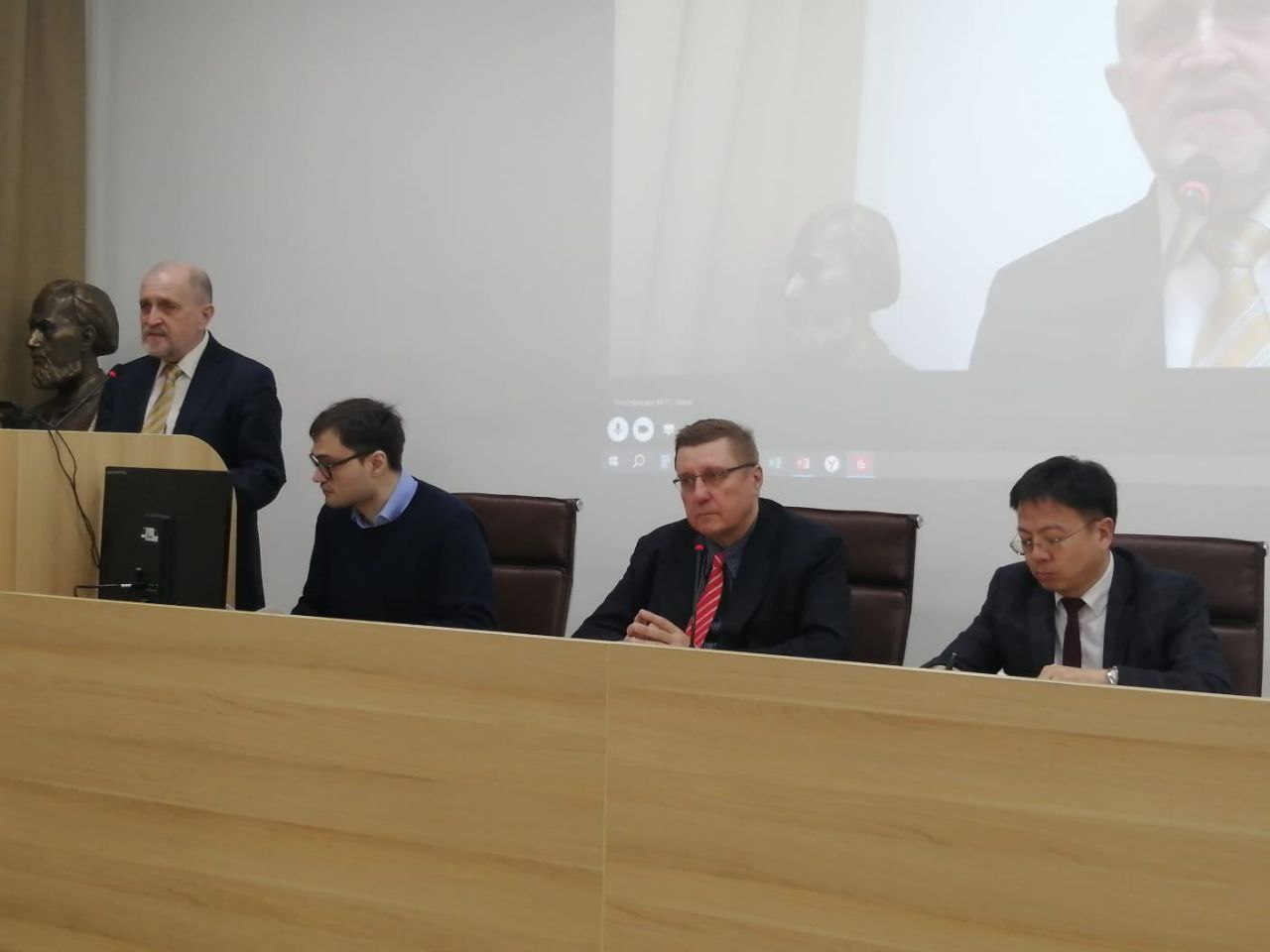
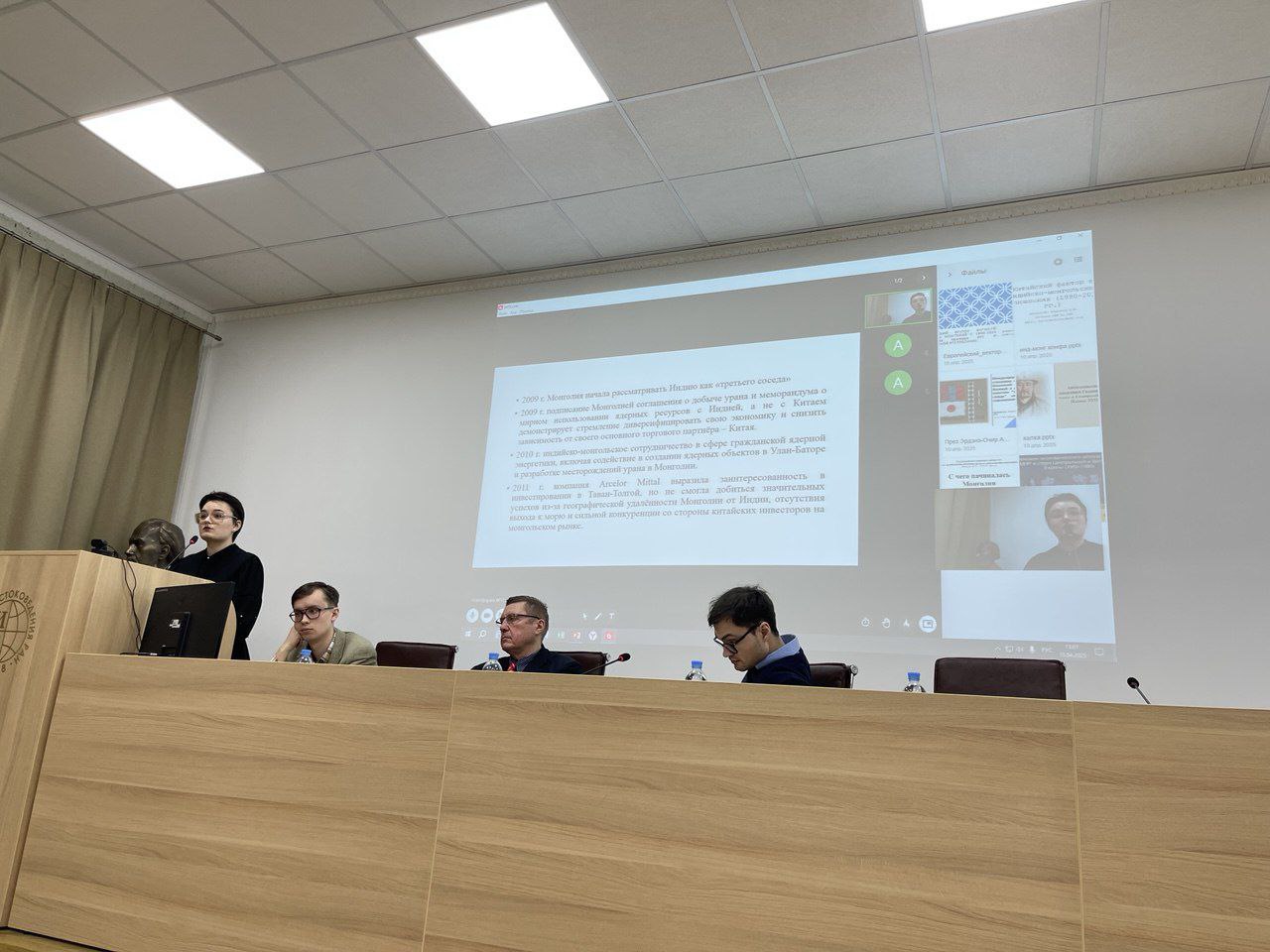
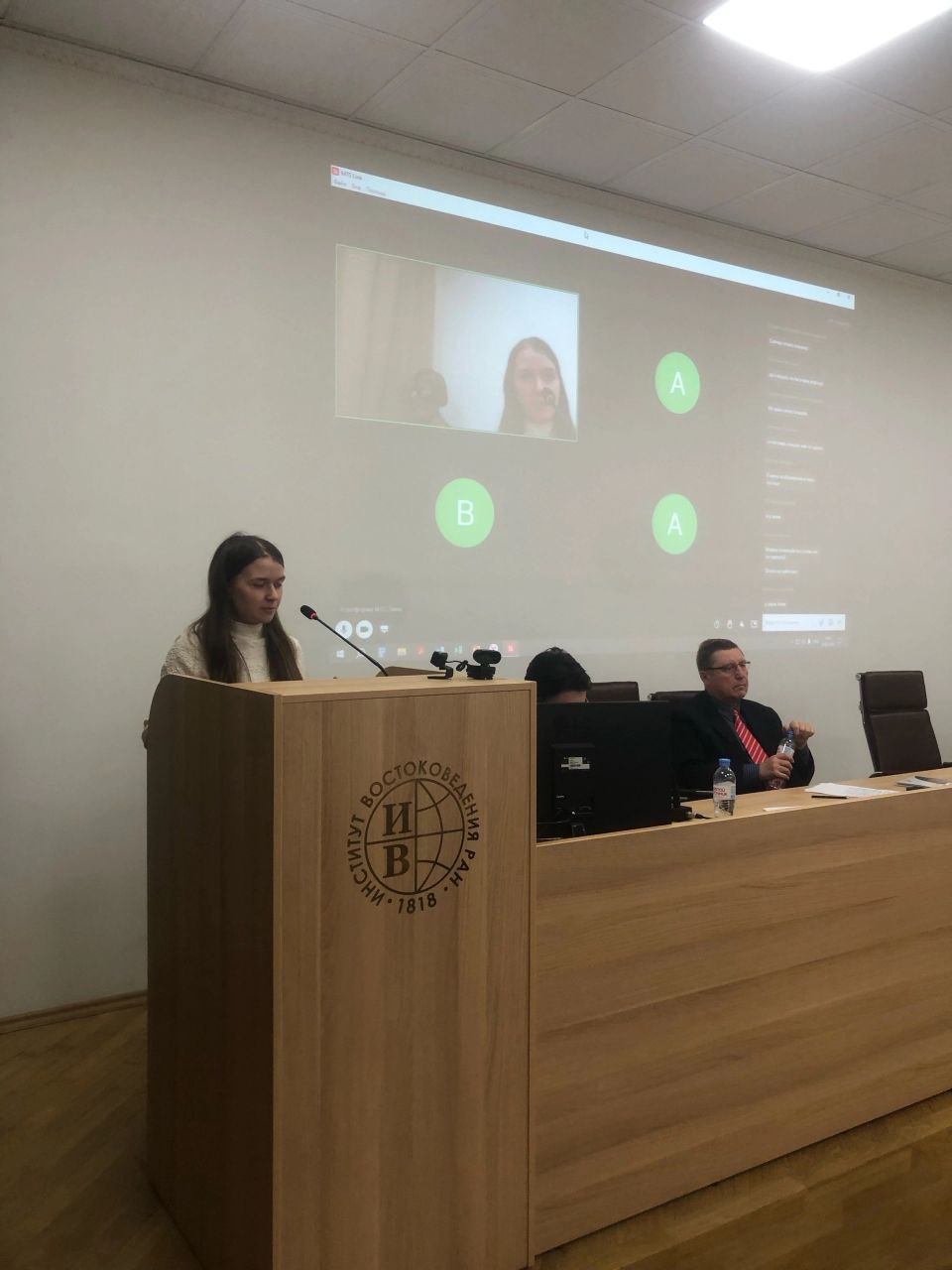
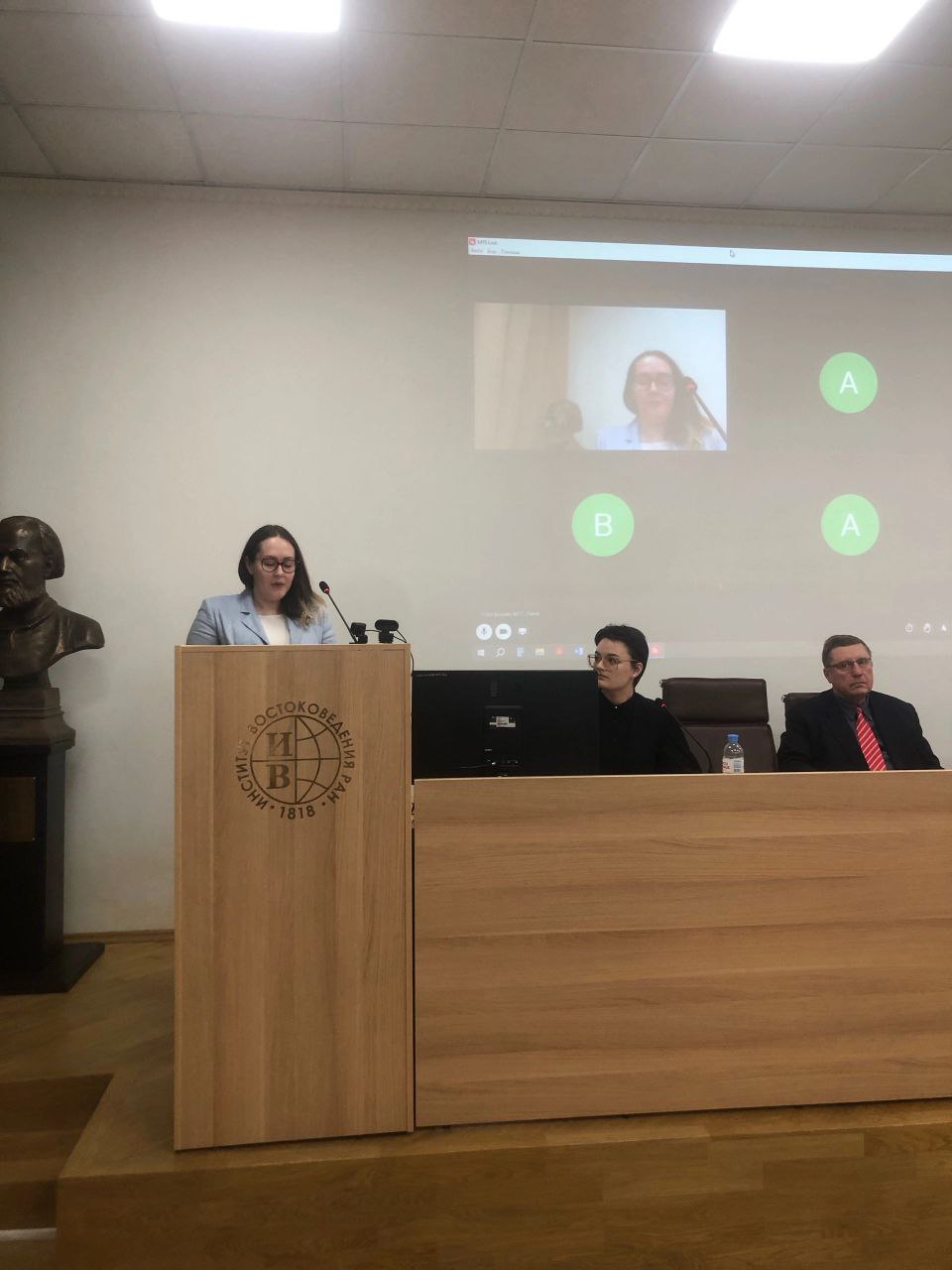
On 10 April 2025, the Institute of Oriental Studies of the Russian Academy of Science hosted an international youth conference on the 110th anniversary of the Treaty of Kyakhta, organised by Korea and Mongolia Department.
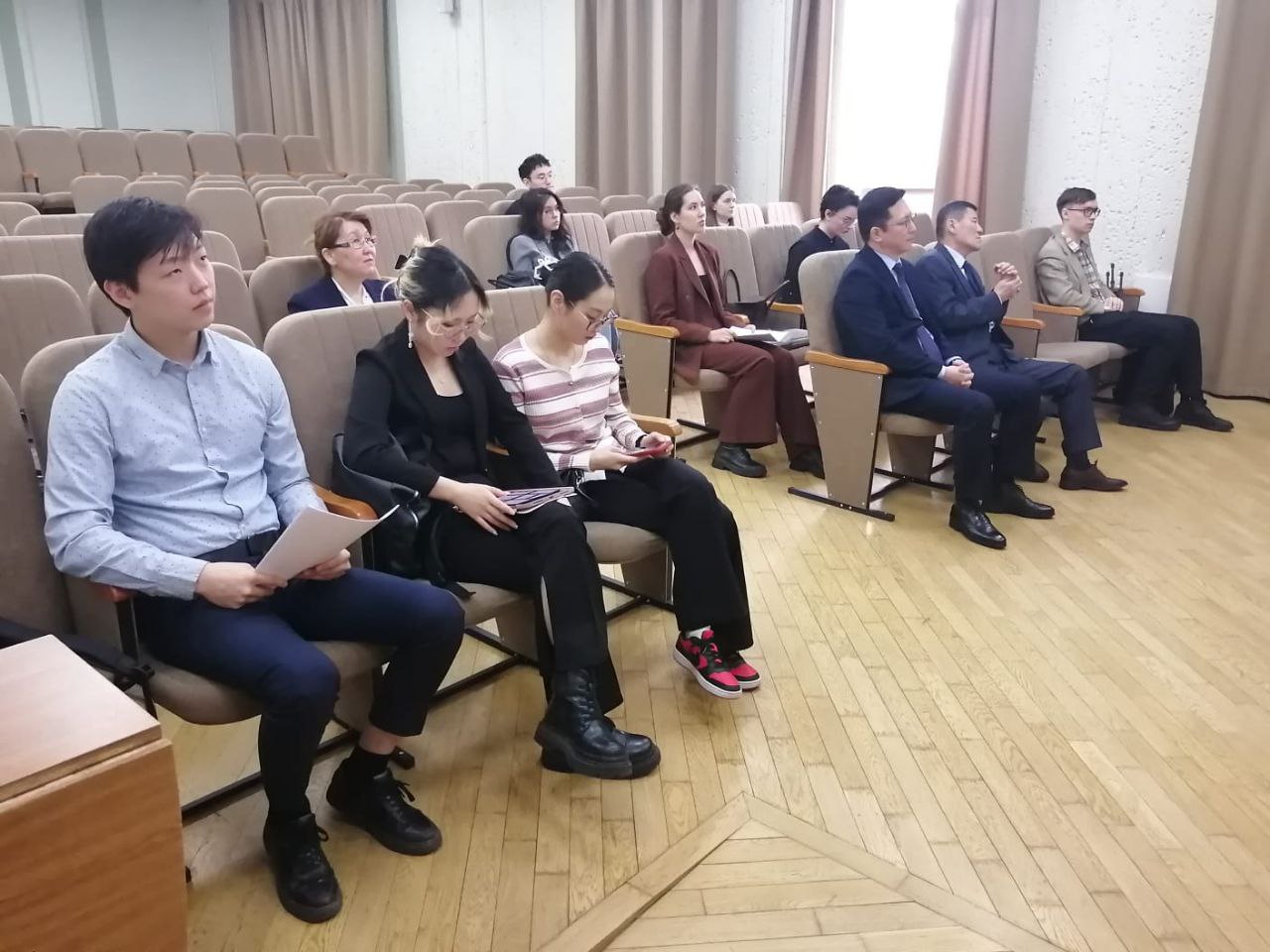
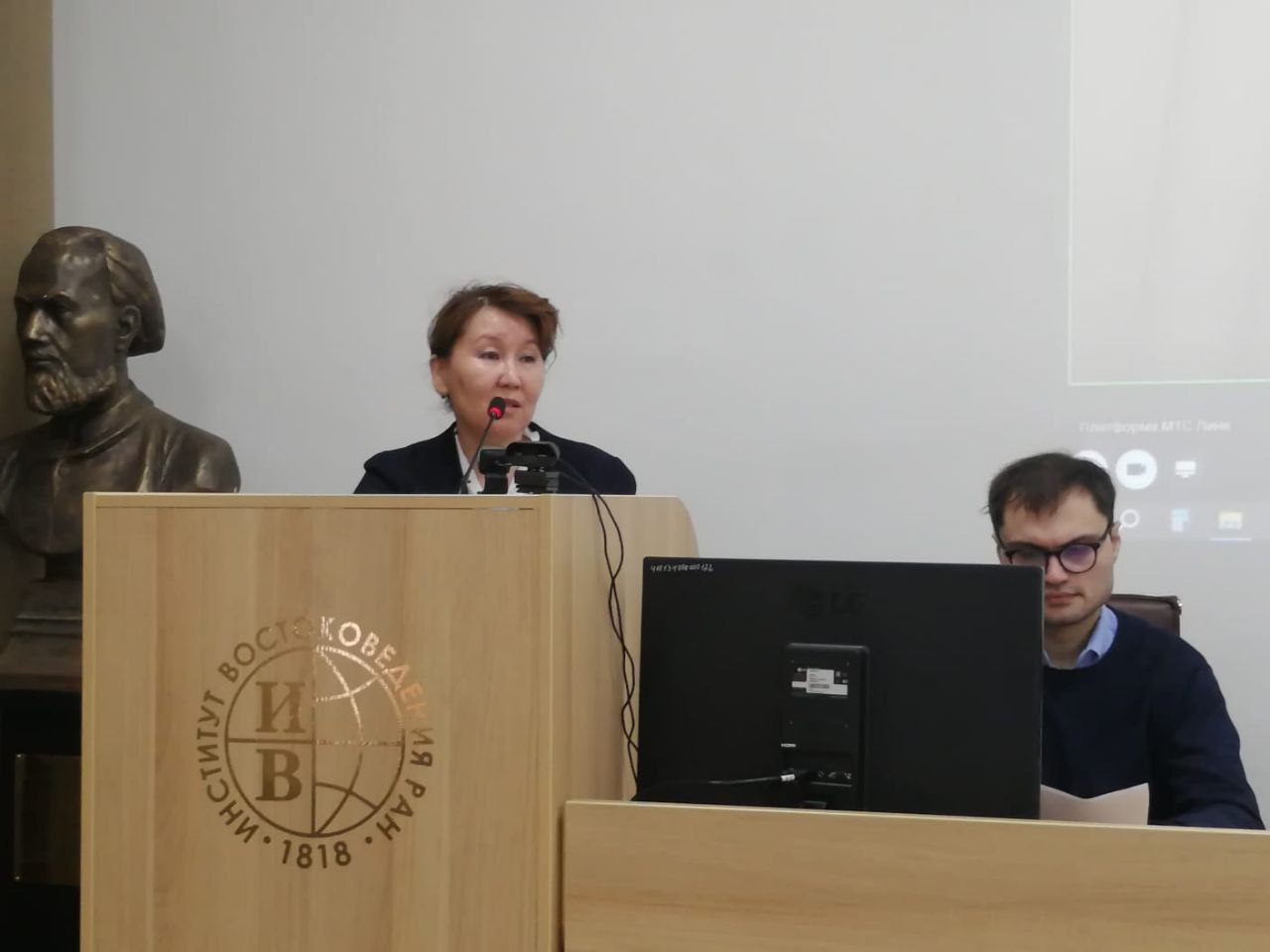
The conference became a platform for interdisciplinary dialogue between young researchers from Russia and Mongolia. Prior to the start of the event, the First Department of Asia of the Ministry of Foreign Affairs of Russia wished the conference success in absentia. At the opening ceremony, a welcoming speech and a short report were delivered by the Acting Ambassador, Minister Counsellor of the Embassy of Mongolia D. Unubilegt, and a group of senior diplomats from the Embassy of Mongolia participated as listeners during most of the working day. Welcoming speeches were also made by A.V. Vorontsov, Head of Korea and Mongolia Department, S.L. Kuzmin, PhD, Candidate of Biological Sciences, and M.M.-B. Kharunova, PhD, Head of the Postgraduate School of the Institute of Oriental Studies, who emphasised the importance of the study of the Mongolian language, as well as the importance of youth research in the field of Oriental Studies.
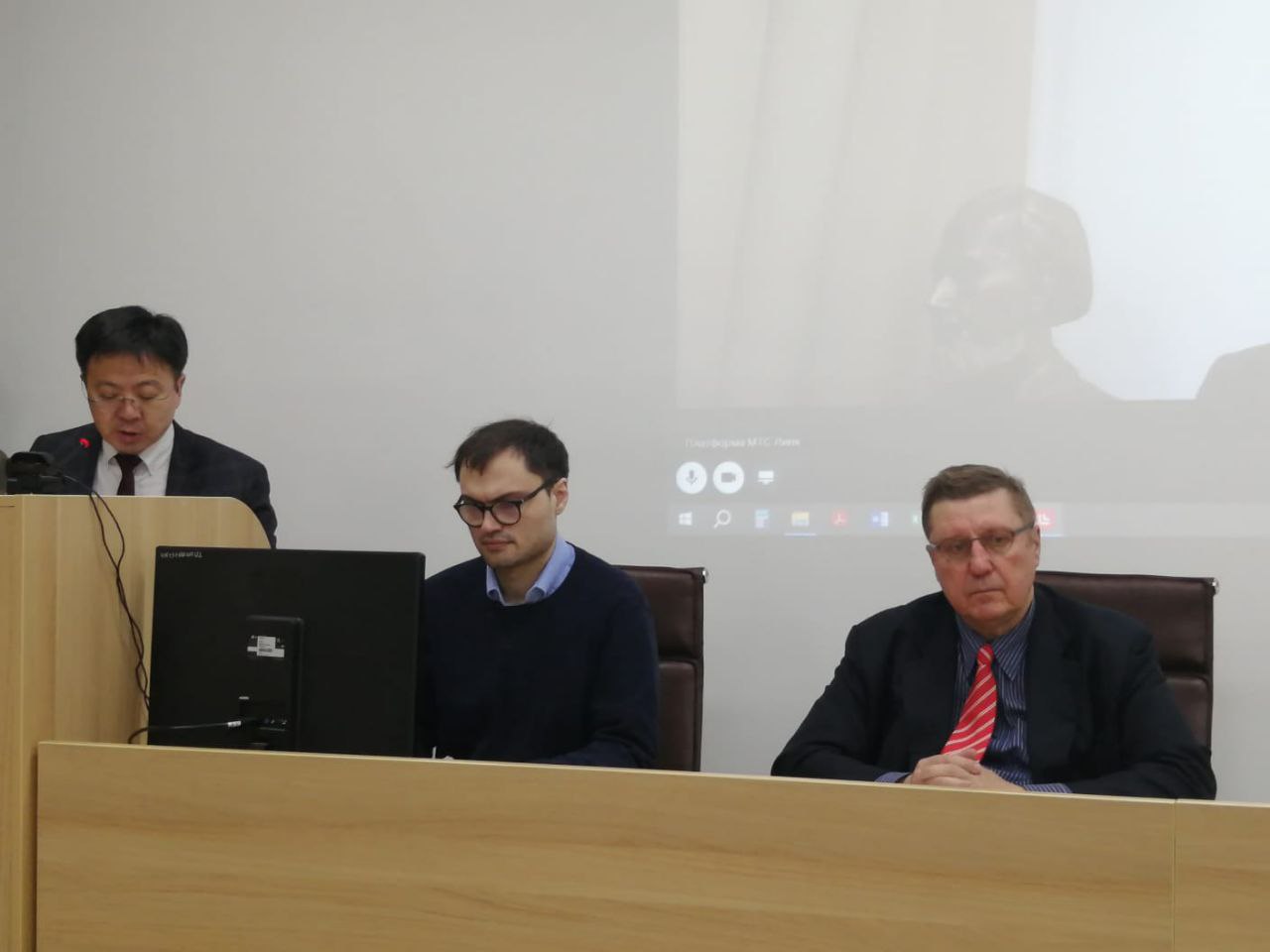
In the plenary part two informative reports were delivered: Dr. V.A. Rodionov, Director of the Oriental Institute of BSU named after Dorzhi Banzarov, highlighted the participation of Dalai Lama XIV in the political process of Mongolia, focusing on the correlation between spiritual influence and political sovereignty. In his speech Y.I. Drobyshev, Candidate of Historical Sciences, Candidate of Biological Sciences, Senior Researcher at the Institute of Oriental Studies Russian Academy of Sciences, addressed the origins of Mongolian statehood, emphasising the historical continuity and its importance in the modern identity of the country.
The conference continued with two sections covering a wide range of topics from geopolitics to culture, with a total of 16 presentations. The first panel was devoted to Mongolia's foreign policy and economy. Presentations focused on the influence of the United States and Japan on Mongolia's international actorness, the specifics of Mongolia's cooperation with the EU, India and China, the historical experience of economic ties with the countries of Central and Eastern Europe, the problems of resource dependence and economic security, and the search for a sustainable development model in the context of globalisation. Of particular interest was the discussion of ‘soft power’ as a foreign policy tool - both on the part of the US and Japan, and in the context of Mongolia's possible use of cultural diplomacy.
Section 2 touched upon the issues of national identity, historical heritage and cultural policy. It discussed the role of youth in Mongolia's development, the influence of nomadic culture on statehood, the historical figure of Galdan Boshogtu Khan, the problem of Hazara identity, and the state of 19th century Mongolian poetry and Buddhism in contemporary Kalmykia.
The presentations combined historical reflection and current political context, which gave the discussions a deep analytical level. The participants emphasised the need for a comprehensive approach to the study of Mongolia as a country with a unique history and an important geopolitical position.
|
|
|
|
|
|